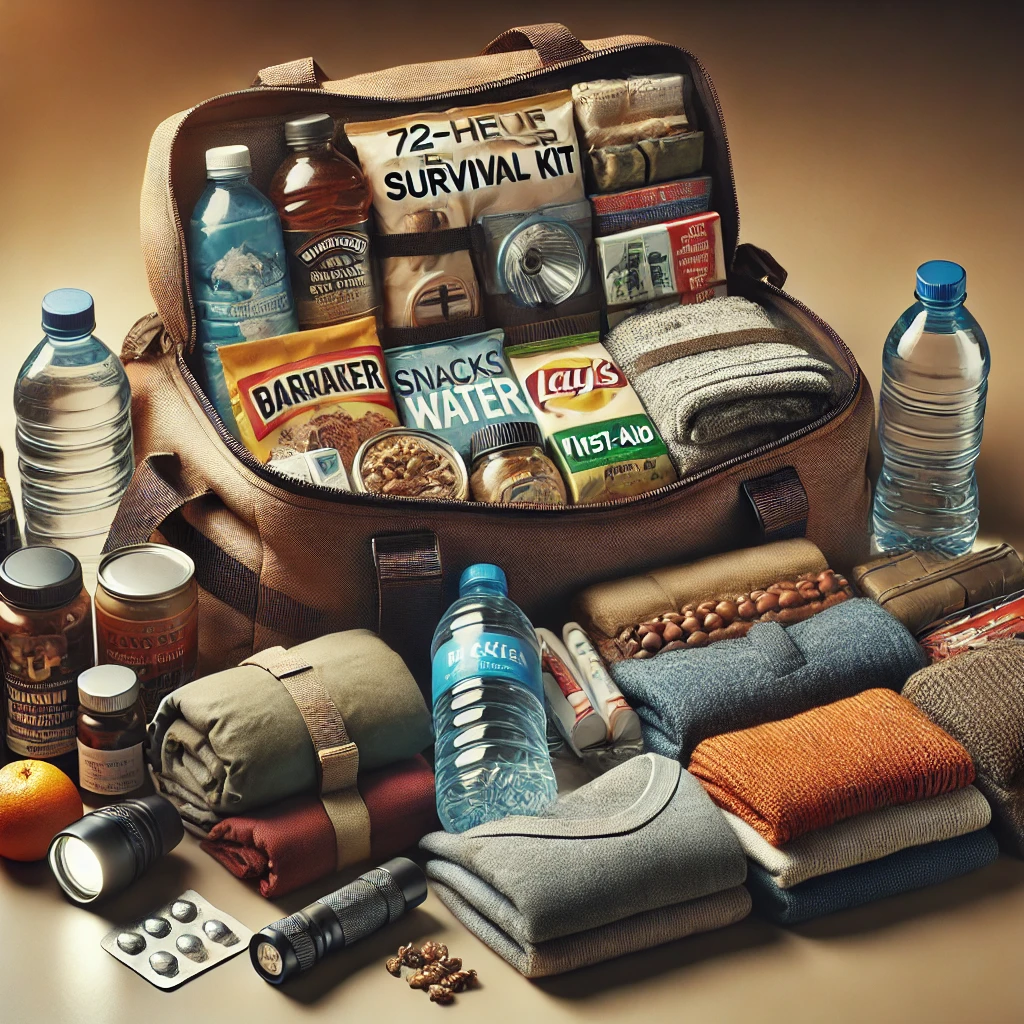

Natural disasters can strike at any moment, disrupting lives and causing significant damage. Being prepared can make all the difference in ensuring the safety and well-being of your family. This comprehensive checklist will help you gather essential supplies and plan effectively for various emergencies.
Essential Supplies for Disaster Preparedness
Water Supply
- Store at least one gallon of water per person per day for a minimum of three days.
- Keep water in clean, airtight containers for drinking, cooking, and hygiene.
- Consider water purification tablets or filters in case the supply runs out.
Non-Perishable Food
- Maintain a three-day supply of ready-to-eat, non-perishable food items.
- Stock up on canned goods, dried fruits, energy bars, and dry snacks.
- Keep a manual can opener for canned foods.
Emergency Communication
- A battery-powered or hand-crank radio is crucial for staying informed.
- Have extra batteries or a solar-powered charger.
- Keep a whistle for signaling help.
First-Aid Kit
- Stock adhesive bandages, antiseptic wipes, gauze pads, and medical tape.
- Include pain relievers, personal medications, and prescription drugs.
- Familiarize yourself with basic first-aid procedures.
Lighting and Power
- Have multiple flashlights with extra batteries.
- Use LED flashlights for longer battery life.
- Invest in a portable power bank for charging phones.
Personal Protection and Hygiene
- Keep dust masks or N95 respirators to protect against harmful debris.
- Stock hand sanitizer, wet wipes, toothbrushes, and toothpaste.
- Include feminine hygiene products and toilet paper.
Clothing and Shelter
- Pack weather-appropriate clothing, including sturdy shoes and rain gear.
- Have extra blankets or emergency space blankets to retain body heat.
- Keep plastic sheeting and duct tape to seal windows and doors if necessary.
Multi-Tool and Equipment
- A multi-tool with a knife, pliers, screwdrivers, and more can be invaluable.
- Carry local maps to navigate damaged or unfamiliar routes.
- Keep heavy-duty garbage bags for waste disposal and emergency uses.
Emergency Documents and Cash
- Store copies of personal identification, insurance papers, and medical records in a waterproof container.
- Have emergency cash in small denominations in case ATMs are unavailable.
- Stockpile Essentials: Aim for at least a three-day supply of food, water, and medication for each household member, including pets.
- Identify Safe Locations: Learn safe spots within your home and community for different types of disasters.
- Practice Emergency Drills: Conduct regular practice drills with family members to ensure everyone knows what to do in an emergency.
- Stay Informed: Monitor local news, emergency alerts, and official social media channels for real-time updates and instructions.
Final Thoughts
Preparing for natural disasters is an ongoing process that requires planning and regular updates. By assembling an emergency kit and developing a clear action plan, you can significantly improve your chances of staying safe and protecting your loved ones during a crisis. Start preparing today to ensure you are ready for any emergency situation.
We are a participant in the Amazon Associates Program. As an Amazon Associate we earn from qualifying purchases with no additional cost to you. We appreciate your support. Read our complete Affiliate Disclaimer here.